2025-11-28
Walk into any professional kitchen and you'll notice something immediately: the knives are insanely sharp. Not just sharp enough to cut a tomato—we're talking paper-thin slices, effortless through bone, and precision that would make a surgeon jealous.
But here's what most people don't realize: professional chefs don't just buy expensive knives and call it a day. They follow strict maintenance routines, use specific techniques, and have insider tricks that keep their blades performing at the highest level for years.
Want to know their secrets? You're in the right place. We talked to professional chefs, knife specialists, and culinary instructors to uncover exactly how the pros keep their knives in championship condition. Some of these tips might surprise you.
Did You Know? 🔪
First, let's bust a myth: professional chefs don't wait until their knives are dull. They follow a preventive maintenance schedule that keeps blades sharp constantly.
Here's what a typical week looks like:
Daily (Every Shift):
Weekly:
Monthly:
Yearly:
Notice something? They sharpen before the knife gets noticeably dull, not after. This preserves the blade and prevents the need for aggressive material removal.
Before every shift, professional chefs perform a ritual that most home cooks skip entirely: the knife check.
Here's the process:
Step 1: The Paper Test
Slice through a piece of paper held vertically. If the knife glides through without tearing or catching, it's good to go. If it snags or tears, it needs attention.
Step 2: The Tomato Test
Rest the knife on a ripe tomato with zero pressure. A truly sharp knife should bite into the skin with just its own weight. If you need to apply pressure, it's time to sharpen.
Step 3: The Thumbnail Test (Carefully!)
Very lightly rest the edge on your thumbnail at a 90-degree angle. A sharp blade will catch slightly; a dull one will slide. Don't apply pressure—this is just a light touch test.
If any of these tests fail, the knife gets honed or sharpened before service begins. No exceptions.
You know that dramatic motion where chefs swipe their knives against a steel rod? That's called honing, and professionals do it constantly—sometimes 10-20 times per shift.
Here's why it matters: every time you use a knife, the ultra-thin edge bends microscopically. Honing realigns the edge before these micro-bends become permanent damage.
The Professional Honing Technique:
Pro Tip: Many chefs keep their honing steel on a magnetic strip right at their station, so they can hone between tasks without even walking away from their cutting board.
Here's something that surprises most people: what you cut on is just as important as what you cut with.
Professional kitchens are obsessive about cutting boards, and for good reason. The wrong surface can dull a knife in days.
Best Options:
Avoid Like the Plague:
Pro Tip: Many high-end restaurants use separate boards for different proteins and replace them every few months. A cutting board is a consumable, not a lifetime investment.
Toss your knives in a drawer with other utensils? Professional chefs would be horrified.
Here's how they store their blades:
In the Kitchen:
For Transport:
Never:
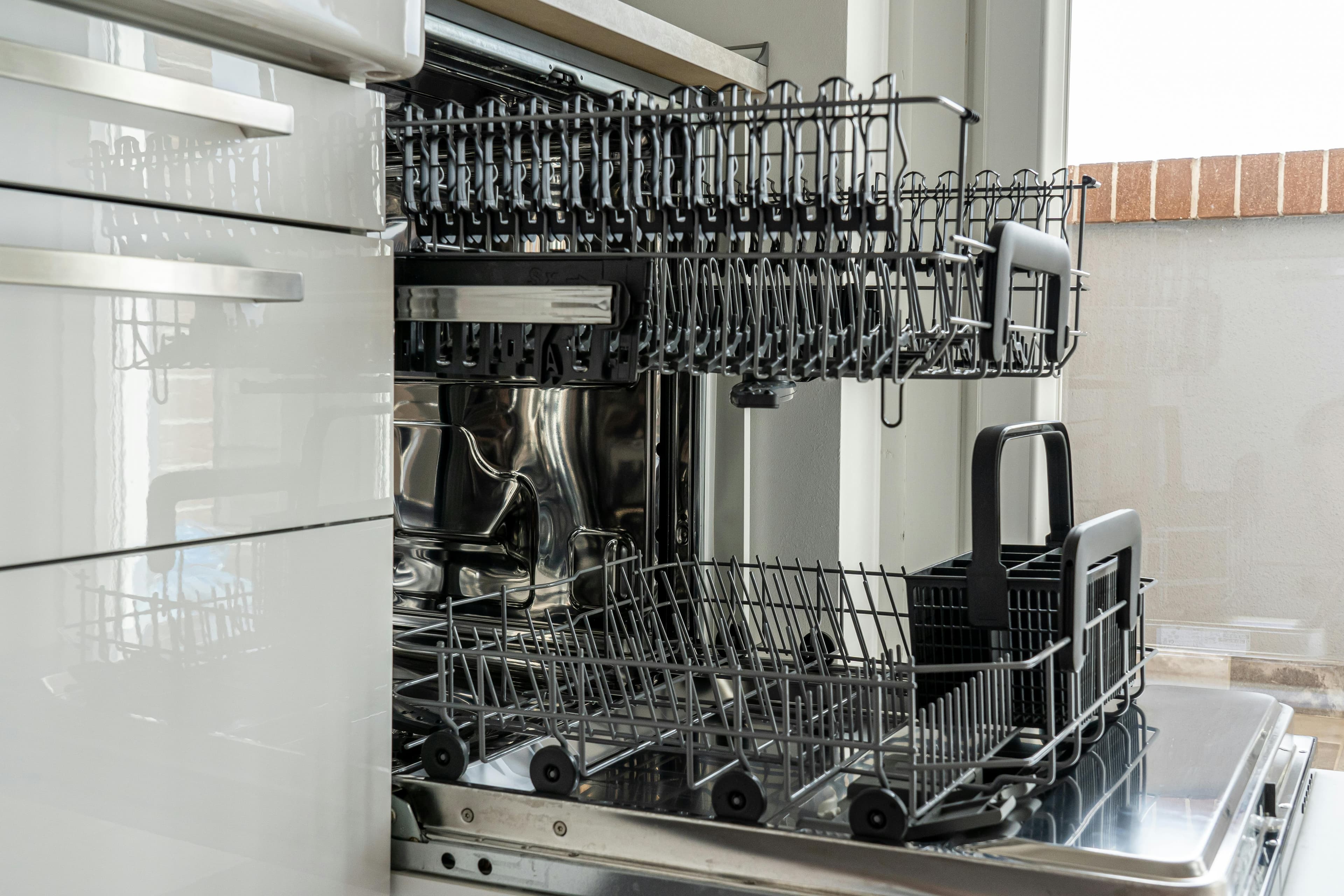
Dishwashers are convenient, but professional chefs will never put their knives in one. Here's why—and what they do instead.
Immediately After Use:
Why Never the Dishwasher:
Pro Tip: Some chefs wipe their knives with a very light coat of food-grade mineral oil after cleaning and drying. This prevents rust and keeps carbon steel knives in pristine condition.
Professional chefs don't use one knife for everything. They match the blade to the task, which reduces wear and maintains optimal performance.
Here's a typical pro chef's knife kit:
The Core Set:
Specialty Additions:
By using the right knife for each job, they prevent unnecessary wear on any single blade and maintain peak performance across their entire kit.
Here's something that might surprise you: even professional chefs outsource knife sharpening.
Yes, many can sharpen their own knives to a high standard. But they also recognize when a blade needs expert attention:
When Chefs Call in the Pros:
Professional sharpeners have specialized equipment and expertise that goes beyond what even skilled chefs can do with a whetstone. There's no shame in outsourcing precision work—it's about getting the best results.
This one sounds obsessive, but some high-end kitchen managers actually track knife performance metrics:
Why? Because data reveals patterns. Maybe a particular cutting board is dulling knives faster. Maybe certain proteins are causing micro-chips. This information helps optimize the entire knife maintenance system.
Sharp knives are only half the equation. Professional chefs maintain their blades partly by using proper cutting technique, which reduces unnecessary wear.
The Professional Grip:
Habits That Preserve Edges:
Here's a surprising truth: many professional chefs don't use the most expensive knives. Instead, they invest in high-quality workhorse blades that offer excellent performance-to-price ratios.
Why? Because in a professional kitchen, knives take abuse. They'd rather have a reliable, easy-to-maintain blade than worry about babying a $1,000+ collectible piece.
What Pros Look For:
Pro Tip: Many chefs prefer knives in the $80-$250 range for daily work, reserving expensive specialty knives for specific tasks.
The secret to how professional chefs maintain their knives isn't magic—it's consistent, preventive care. They don't wait for problems; they maintain their blades continuously so problems never develop.
Here's your takeaway checklist:
✅ Hone before and after every cooking session
✅ Hand wash and dry immediately
✅ Store properly (magnetic strip or knife block)
✅ Use appropriate cutting surfaces
✅ Test sharpness regularly
✅ Sharpen proactively, not reactively
✅ Get professional help when needed
You don't need to be a professional chef to adopt these habits. Even implementing a few of these techniques will transform how your knives perform and how long they last.
If you're in Singapore and want your knives maintained to professional standards, check out our knife sharpening service. We use the same techniques trusted by top chefs to keep your blades in peak condition.
Your knives deserve professional care. Give them the respect they deserve, and they'll serve you brilliantly for years to come.
We are currently only operating in Singapore. Our next pick up will be on .