2026-02-06
Pickup and delivery sharpening is convenient, but knives must be packed properly before they leave your kitchen. A loose knife can cut through a bag, damage another blade, injure the person handling it, or arrive with a chipped edge.
Safe packing does not require special equipment. It requires clean, dry knives, firm edge protection, and clear labelling.
Wash each knife by hand and dry it thoroughly before packing. Moisture left on the blade can encourage corrosion, particularly in Singapore's humid climate. FoodSafety.gov recommends washing utensils and surfaces after use, especially after contact with raw meat, poultry, seafood, or eggs. The same principle applies before sending knives out for sharpening.
Do not send knives with food residue on the handle, heel, or spine. Residue makes handling less hygienic and can hide damage that the sharpener needs to inspect.
You can pack knives safely with simple materials:
Avoid using only tissue, cling film, or a thin plastic bag. These materials tear easily and do not provide enough protection from the edge.
Cut a piece of cardboard slightly longer than the blade. Fold it over the sharp edge so the entire cutting edge and tip are covered. Tape the cardboard to itself, not directly to the blade.
The tip matters. A knife tip can puncture weak packaging even when the edge is covered, so make sure the point is protected by a folded or reinforced section of cardboard.
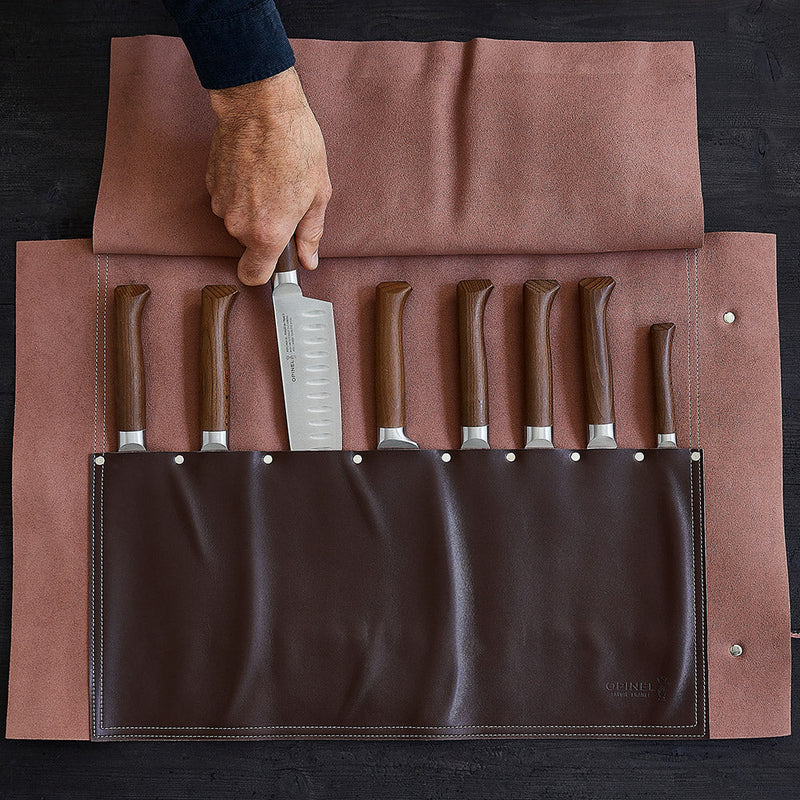 Each knife should be protected individually so blades cannot strike one another in transit.
Once the edge is covered, wrap the entire knife in paper or bubble wrap. Secure the wrapping so the knife cannot slide out.
If you are sending multiple knives, keep them separate. Do not tape bare knives together or allow edges to touch. Knife-to-knife contact can chip fine edges and scratch polished blades.
Place the wrapped knives in a box or firm bag. For heavier knives such as cleavers, a box is strongly preferred because the weight of the blade can tear soft packaging.
Fill empty space so the knives do not move around. Movement during transport is one of the easiest ways to damage tips and edges.
Write "SHARP KNIVES" or "KNIVES FOR SHARPENING" on the outside. If your sharpening service provides an order number or collection label, include it clearly.
Labelling does not replace proper wrapping, but it helps handlers understand that the package needs careful treatment.
These mistakes can create safety risks and may make the sharpening job harder.
Serrated knives should be wrapped carefully because the teeth can catch on paper or cloth. Use cardboard first, then add outer wrapping.
Cleavers need extra reinforcement. They are heavy, broad, and capable of cutting through weak packaging through weight alone. Use thicker cardboard and a box whenever possible.
When the knife returns, unwrap it slowly and assume it is significantly sharper than when it left. Keep fingers away from the edge, remove tape carefully, and store the knife immediately in a sheath, block, drawer organiser, or magnetic strip.
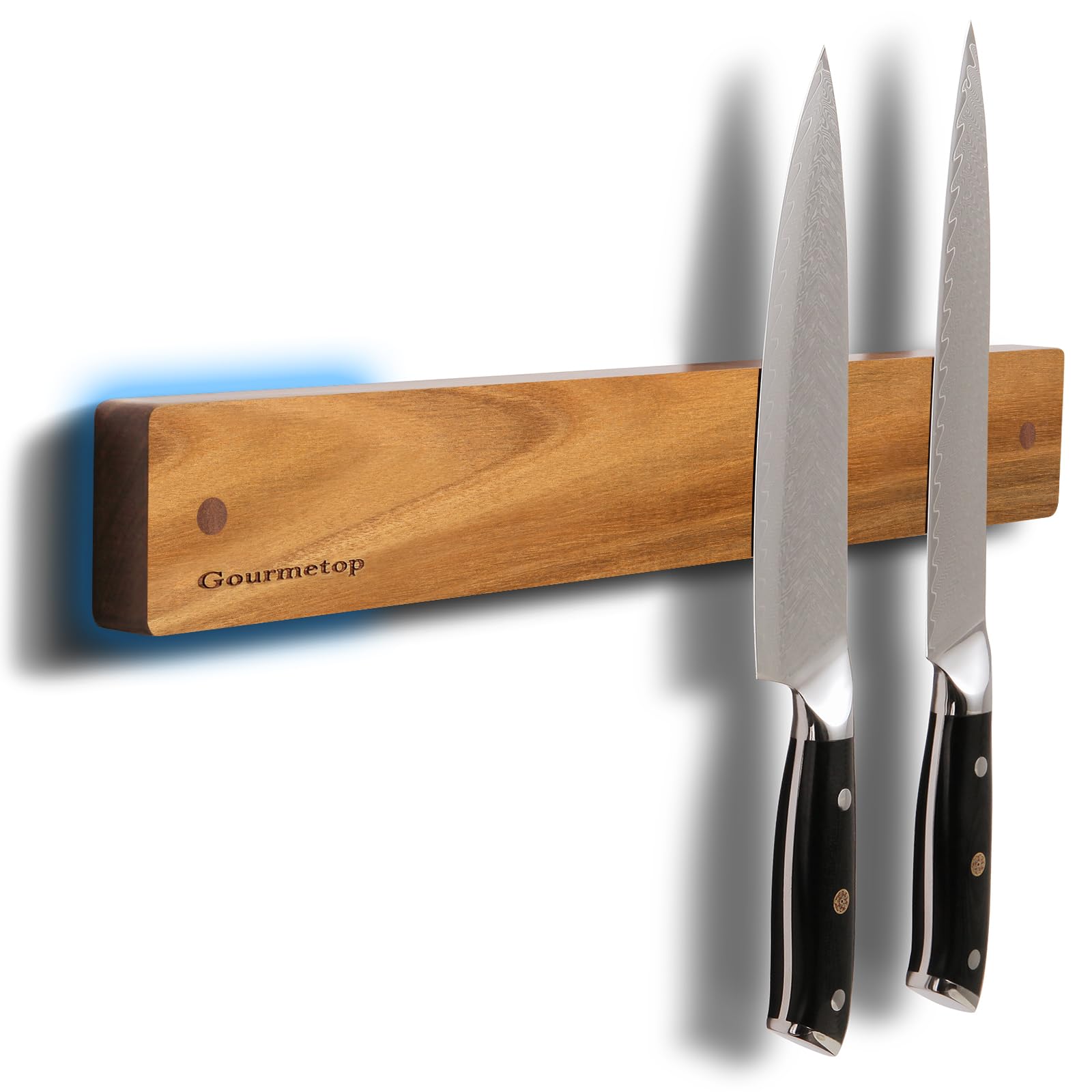 Safe storage protects the edge after the knife comes back from sharpening.
Good packing protects the knife, the sharpener, the courier, and your household. Clean the blade, dry it thoroughly, protect the edge and tip with cardboard, wrap each knife separately, and use a sturdy outer container.
For aftercare once the knives return, read how to store your knives properly to keep them sharp longer.
P.s. If you are booking sharpening in Singapore, our knife sharpening service gives simple pickup instructions so your knives can travel safely.
We are currently only operating in Singapore. Our next pick up will be on 2026-10-10.