2025-12-26
Living in Singapore means enjoying incredible food diversity and a vibrant culinary scene. But our tropical climate, with humidity levels consistently hovering between 80-90%, presents unique challenges for knife maintenance. If you've ever noticed rust spots on your favourite chef's knife or found your blades dulling faster than expected, Singapore's humidity is likely the culprit.
Whether you own a premium Japanese carbon steel knife or a reliable stainless steel workhorse, understanding how to care for your knives in our humid environment will help them last longer, perform better, and stay safer to use. Here's everything you need to know about protecting your kitchen knives from Singapore's climate.
Singapore's tropical climate creates a perfect storm for knife degradation. With year-round temperatures between 25-31°C and relative humidity rarely dropping below 80%, moisture is constantly present in the air. This persistent humidity accelerates oxidation, the chemical process that causes rust and corrosion.
Even knives made from stainless steel, which contains chromium for rust resistance, aren't completely immune. The term "stainless" is somewhat misleading—these knives are rust-resistant, not rust-proof. In Singapore's humid conditions, any knife can develop rust if not properly cared for.
Carbon steel knives, prized by many chefs for their superior edge retention and ease of sharpening, are particularly vulnerable. These knives lack the chromium content of stainless steel, making them highly reactive to moisture. Without proper care, a carbon steel knife can develop rust spots within hours of being left wet in a Singapore kitchen.
The problem isn't just aesthetic. Rust weakens the blade structure, creates pitting that harbours bacteria, and can transfer metallic tastes to your food. Once rust sets in deeply, it may be impossible to fully restore the blade.
The foundation of knife care in Singapore is establishing consistent daily habits that minimize moisture exposure. These practices may seem simple, but they make an enormous difference in preventing rust and maintaining sharpness.
Wash and Dry Immediately After Use
Never leave knives sitting in the sink or on wet cutting boards. In Singapore's humidity, even the moisture from cutting vegetables can initiate oxidation. Wash your knife immediately after use with warm water and mild dish soap, using a soft sponge to avoid scratching the blade.
The most critical step comes next: thorough drying. Use a clean, absorbent towel to wipe down every part of the blade, including the area where the blade meets the handle. Pay special attention to any crevices or rivets where water can collect. Even a small amount of trapped moisture can cause rust in our climate.
Never air-dry your knives in Singapore. What might work in drier climates will lead to rust spots here. The air itself contains enough moisture to cause problems, so hand-drying isn't optional—it's essential.
Avoid the Dishwasher at All Costs
If there's one rule that's even more critical in Singapore than elsewhere, it's this: never put knives in the dishwasher. The combination of prolonged exposure to water, high heat, harsh detergents, and moisture-filled air creates the perfect environment for rust formation.
Dishwashers also cause knives to bang against other utensils, dulling the edge and potentially causing chips. In Singapore's humidity, the moisture that remains on knives after a dishwasher cycle—even with a drying cycle—is enough to start corrosion.
Hand-washing takes less than a minute and can add years to your knife's lifespan. It's a small investment of time for significant returns.
How you store your knives between uses matters just as much as how you clean them. Singapore's constant humidity means moisture is always present, so your storage method must provide proper ventilation and protection.
Best Storage Options for Singapore Kitchens
A magnetic knife strip mounted on a wall is one of the best storage solutions for Singapore's climate. It keeps knives elevated and exposed to air circulation, preventing moisture from accumulating. The open design allows knives to fully dry and makes it easy to inspect blades for any signs of rust.
Knife blocks can work in Singapore, but choose wisely. Opt for blocks with horizontal slots rather than vertical ones—vertical slots can trap moisture at the bottom. Bamboo blocks are preferable to plastic or wood, as bamboo naturally resists moisture and bacteria growth.
If you must store knives in a drawer, use individual blade guards or sheaths made from breathable materials. Avoid leather sheaths in Singapore's climate, as leather can trap moisture. Instead, choose plastic or felt guards that allow air circulation.
Ventilation Is Critical
Whatever storage method you choose, ensure it's in a well-ventilated area. Avoid storing knives in enclosed cabinets without airflow, especially those under the sink where humidity tends to be higher. If you live in an older HDB flat with less air circulation, consider running a small dehumidifier in your kitchen or ensuring your air conditioning covers the kitchen area.
For carbon steel knives, some chefs in Singapore store them with a light coating of food-safe mineral oil. This creates a barrier against humidity and can be particularly helpful during especially humid periods or if you're storing knives you don't use daily.
If you've invested in high-carbon steel knives—popular among serious home cooks for their exceptional sharpness—Singapore's climate demands extra attention. These knives offer superior edge retention and are easier to sharpen than stainless steel, but they require more maintenance in humid conditions.
Developing a Patina vs. Preventing Rust
Carbon steel knives naturally develop a patina, a dark coating that forms through oxidation during use. This patina is actually protective, creating a barrier between the steel and moisture. Many chefs embrace patina as a sign of a well-used knife.
However, there's a crucial difference between patina and rust. Patina is even and dark, forming gradually through use with acidic foods. Rust appears as orange-brown spots or streaks and indicates active corrosion. In Singapore, the line between developing a protective patina and harmful rust is thin.
To encourage patina development while preventing rust, use your carbon steel knives regularly, especially with acidic ingredients like tomatoes, onions, and citrus. After washing and drying, some professionals recommend occasionally coating the blade with a thin layer of food-safe camellia oil or mineral oil, particularly if the knife won't be used for several days.
Recovery Protocol for Rust Spots
If you discover rust spots on your carbon steel knife, act quickly. Small rust spots can often be removed with a paste made from baking soda and water. Apply it to the affected area, gently scrub with a soft cloth or sponge, rinse thoroughly, and dry immediately.
For more stubborn rust, a rust eraser (available at most hardware stores) can be effective. Never use steel wool or abrasive pads, as these will scratch the blade and make it more susceptible to future rust.
After removing rust, the affected area will be more vulnerable, so coat it with a light layer of oil and monitor it closely over the following days.
Humidity doesn't just cause rust—it can also affect how quickly your knives dull. Singapore's climate combined with our diverse cooking styles (lots of chopping, slicing, and dicing) means knives often need attention to stay sharp.
Regular Honing Makes a Difference
Many people confuse honing with sharpening, but they serve different purposes. Honing realigns the blade's edge without removing material, while sharpening actually grinds away metal to create a new edge.
In Singapore's humid climate, regular honing becomes even more important. Use a honing steel or ceramic rod every few uses to maintain your knife's edge. This simple practice takes less than a minute but significantly extends the time between sharpening sessions.
Hold the honing rod vertically with the tip on a cutting board. Angle your knife at approximately 15-20 degrees against the rod and draw the blade down and across in a sweeping motion, alternating sides. Three to five passes on each side is usually sufficient.
When to Sharpen vs. When to Call Professionals
Even with regular honing, knives will eventually need sharpening. How often depends on usage, but most home cooks should sharpen their knives every 3-6 months. Professional chefs may sharpen weekly.
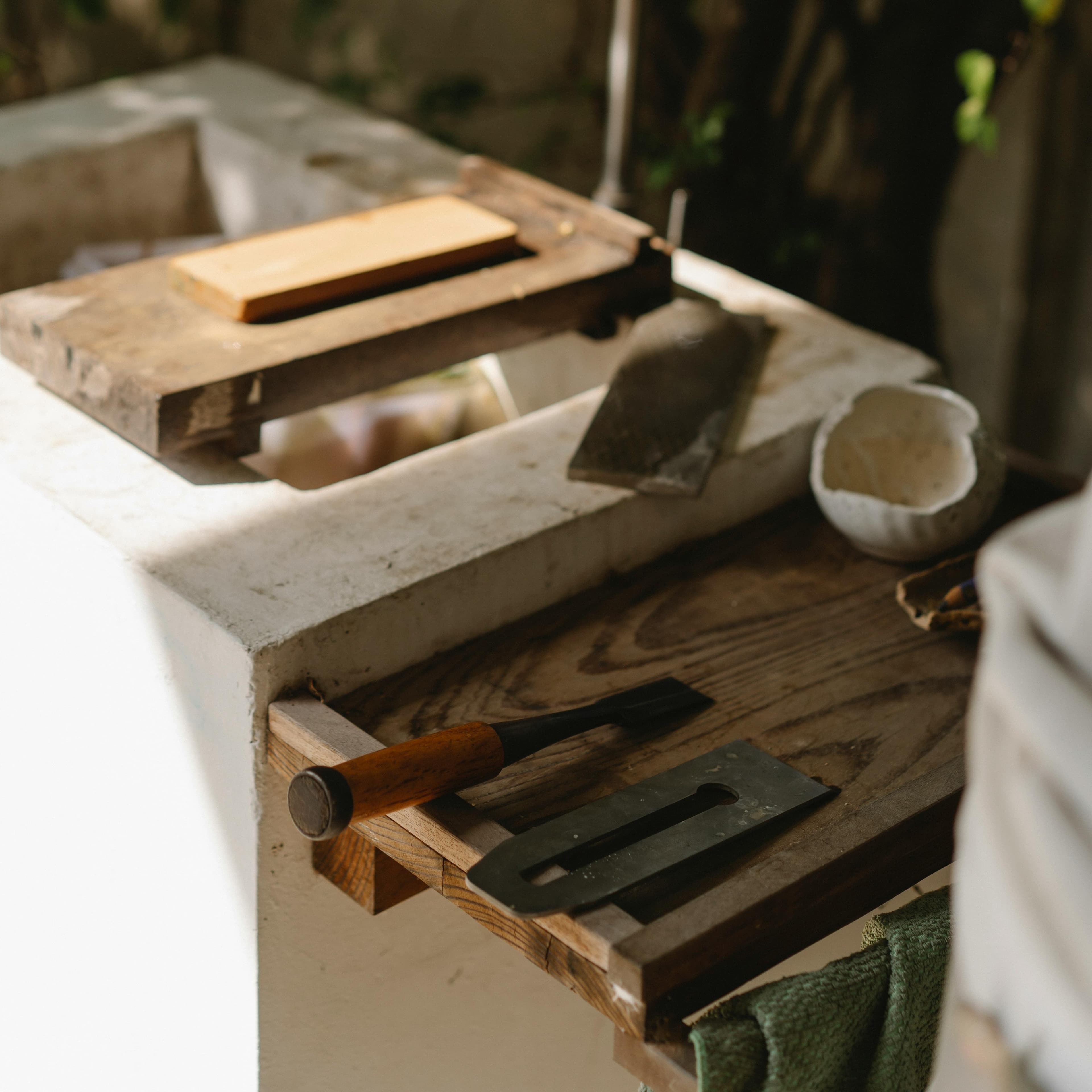
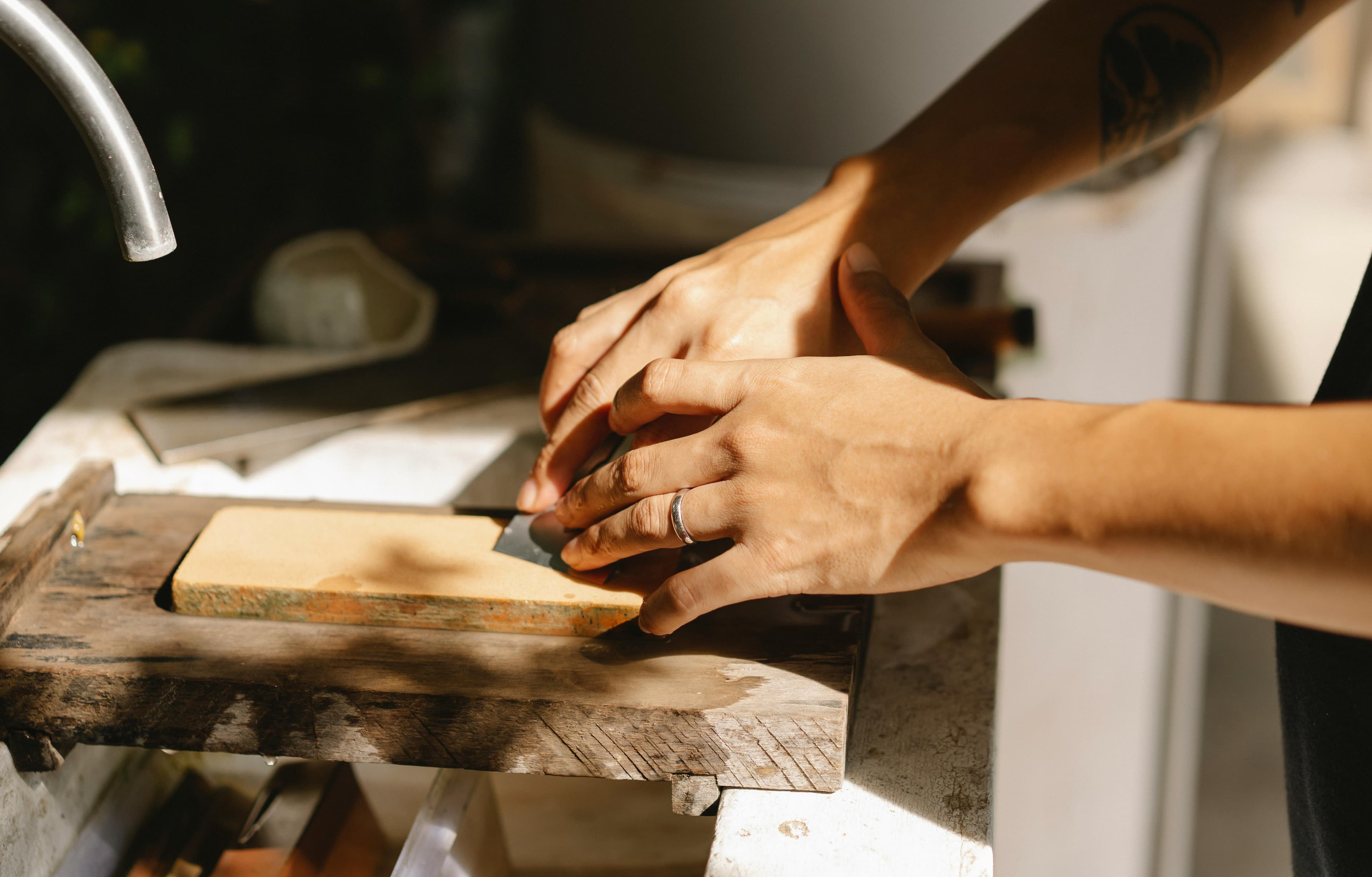
Sharpening at home using whetstones gives you complete control but requires skill and practice. If you choose this route, invest in quality Japanese water stones (typically 1000 and 6000 grit) and learn proper technique. However, improper sharpening can damage your blade, so if you're uncertain, professional sharpening is worthwhile.
Professional knife sharpening services in Singapore understand the specific challenges our climate presents. They can not only restore a proper edge but also inspect for rust damage, repair minor chips, and provide advice on maintaining your specific knife types.
While Singapore doesn't have dramatic seasonal changes, our monsoon periods bring even higher humidity levels. During these months (typically November to January and June to September), extra vigilance is required.
During monsoon season, consider these additional precautions:
Some home cooks in Singapore invest in a hygrometer to monitor kitchen humidity levels. If humidity consistently exceeds 70-75% in your storage area, take additional preventive measures.
The surface you cut on directly affects how quickly your knives dull, which is particularly important in Singapore where sharpening services aren't always convenient to access.
End-grain wooden cutting boards made from teak or bamboo are ideal for Singapore's climate. These materials naturally resist moisture and bacteria while being gentle on knife edges. Bamboo, in particular, is popular in Singapore for its sustainability and natural antimicrobial properties.
Plastic cutting boards can work but choose high-quality, slightly softer plastics. Hard plastic boards can dull knives as quickly as glass or stone. Always have multiple cutting boards and allow them to dry completely between uses—moisture trapped in cutting boards can transfer to your knives.
Avoid glass, ceramic, marble, or granite cutting boards entirely. These materials are extremely hard and will dull your knives rapidly, requiring more frequent sharpening.
To properly care for knives in Singapore, assemble a basic maintenance kit that addresses our specific challenges:
Essential Items:
Optional but Helpful:
This kit will equip you to handle most knife maintenance challenges Singapore's climate presents.
Despite your best efforts, sometimes professional help is necessary. Watch for these signs:
Professional knife sharpening services in Singapore can address these issues and provide expert advice on maintaining your specific knife collection in our climate.
Caring for knives in Singapore's humid climate requires consistent attention, but the habits quickly become second nature. By washing and drying immediately after use, storing properly, and addressing rust quickly when it appears, you'll protect your investment and ensure your knives perform their best.
Sharp, well-maintained knives make cooking safer, more efficient, and more enjoyable. In Singapore's challenging climate, a little extra care goes a long way toward preserving the tools that make your culinary adventures possible.
Remember: your knives are fundamental kitchen tools. Taking a few extra minutes each day to care for them properly will reward you with years of reliable performance and precision cutting.
Still curious? Check out our Ultimate Guide to Knife Sharpening.
At Knife Sharpening SG, we understand the unique challenges Singapore's humid climate presents for knife maintenance. Our professional sharpening service specializes in restoring and maintaining all types of knives, from everyday kitchen knives to premium Japanese carbon steel blades.
We offer convenient pickup and delivery across Singapore, with quick turnaround times to get your knives back in your hands sharp and ready to use. Whether you need routine sharpening, rust removal, or chip repair, our experienced team has you covered.
Don't let Singapore's humidity ruin your knives. Book a pickup today and experience the difference professionally sharpened knives make in your kitchen.
We are currently only operating in Singapore. Our next pick up will be on .