2026-02-20
The chef knife and the santoku are both general-purpose kitchen knives, which is why they are often compared. Either can handle daily prep, but they are not identical. Their blade profiles, cutting motions, lengths, and edge geometry create a different feel on the board.
If you are choosing one primary knife for a Singapore home kitchen, the right answer depends less on trends and more on how you cook.
A Western chef knife usually has a pointed tip, a curved belly, and a blade length around 8 inches, though shorter and longer versions are common. The curve supports a rocking motion, where the tip stays near the board while the heel rises and falls.
This design is versatile. It works well for herbs, onions, larger vegetables, meat slicing, and many general kitchen tasks.
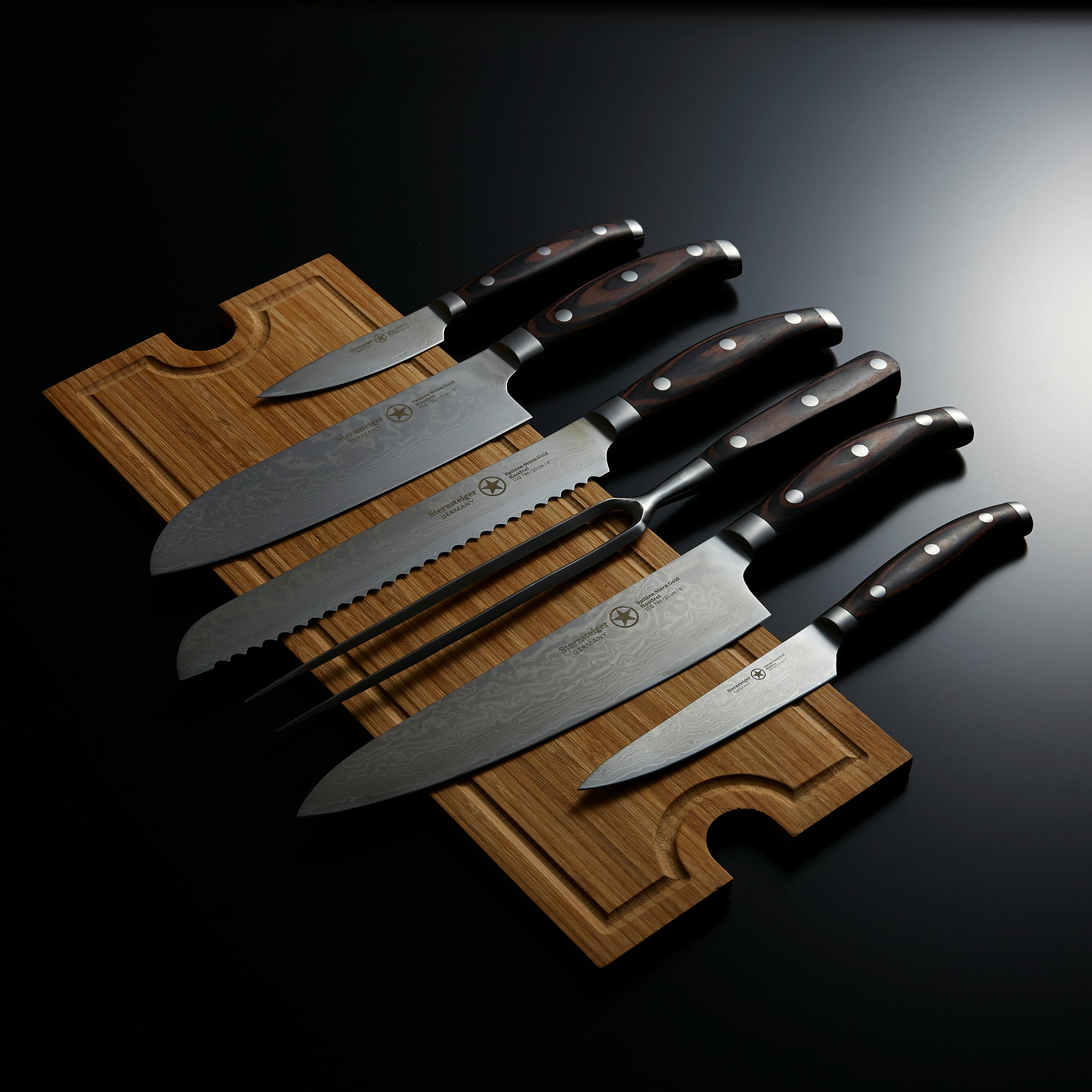 The chef knife and santoku are both multipurpose knives, but their profiles encourage different techniques.
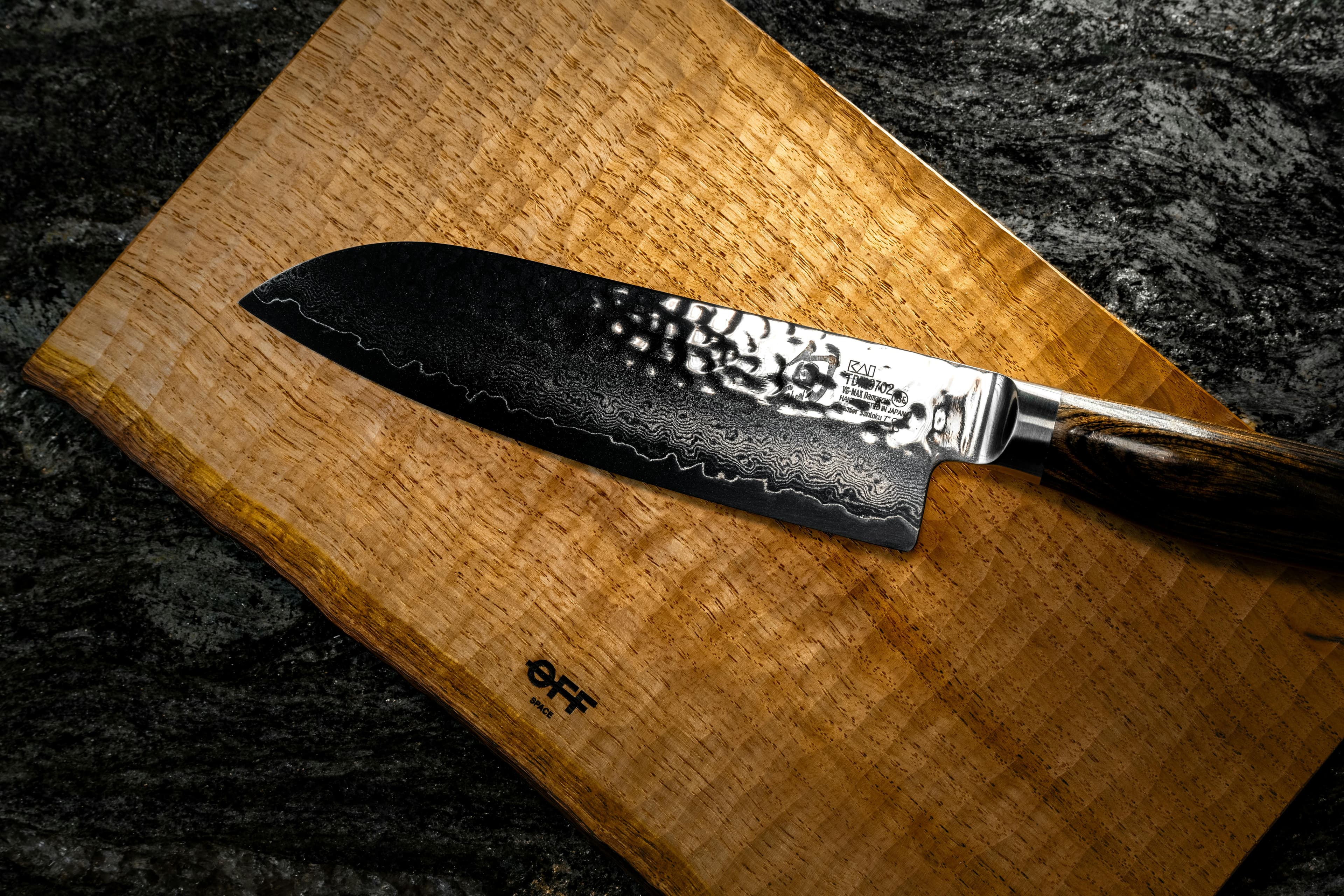
The santoku is a Japanese-style general-purpose knife. The name is commonly interpreted as "three virtues" or "three uses", referring to slicing, dicing, and mincing, or to meat, fish, and vegetables. Santoku knives are often shorter than chef knives, with a flatter edge and a rounded sheep's-foot style tip.
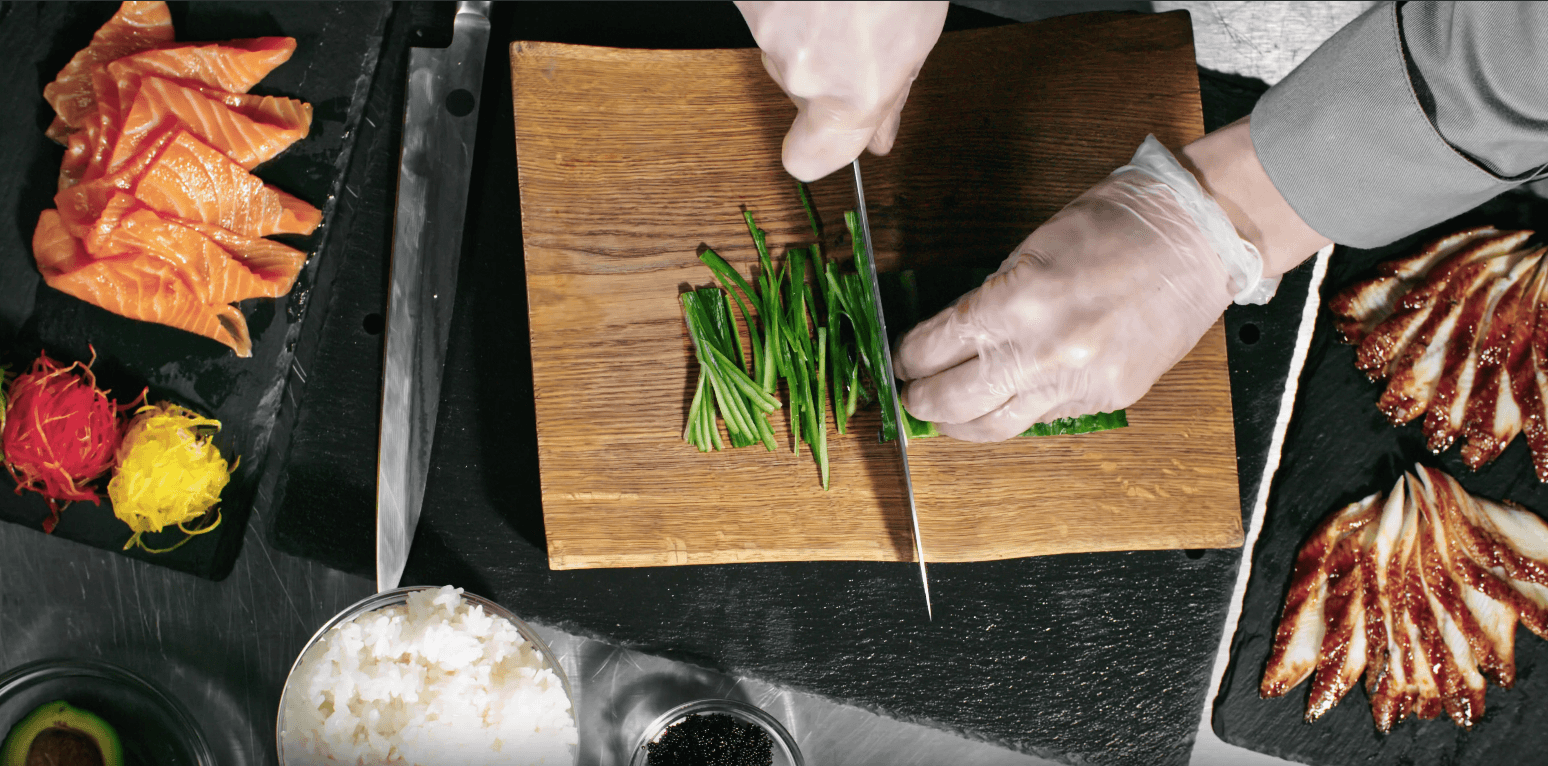
Because the edge is flatter, the santoku is well suited to push cuts and straight chopping. It is often lighter and less intimidating for newer cooks or anyone working on a smaller board.
The chef knife encourages rocking. The santoku encourages flatter, cleaner contact with the board. You can use either knife in more than one way, but each design has a natural rhythm.
If you mince herbs with a rocking motion, a chef knife will likely feel easier. If you chop vegetables with an up-and-down motion, a santoku may feel more precise.
In compact kitchens, a shorter santoku can feel comfortable because it needs less board space. This can be helpful in HDB kitchens or small apartment kitchens where counter space is limited.
A chef knife gives you more length for slicing and more clearance for larger ingredients. If you often cut cabbage, pumpkin, watermelon, or large roasts, the extra length is useful.
The pointed tip of a chef knife is useful for trimming, piercing, and working around awkward shapes. A santoku's rounded tip is less aggressive, which can feel safer and more stable, but it is not as useful for fine tip work.
This difference is easy to underestimate until you start trimming silver skin, scoring food, or cutting around joints.
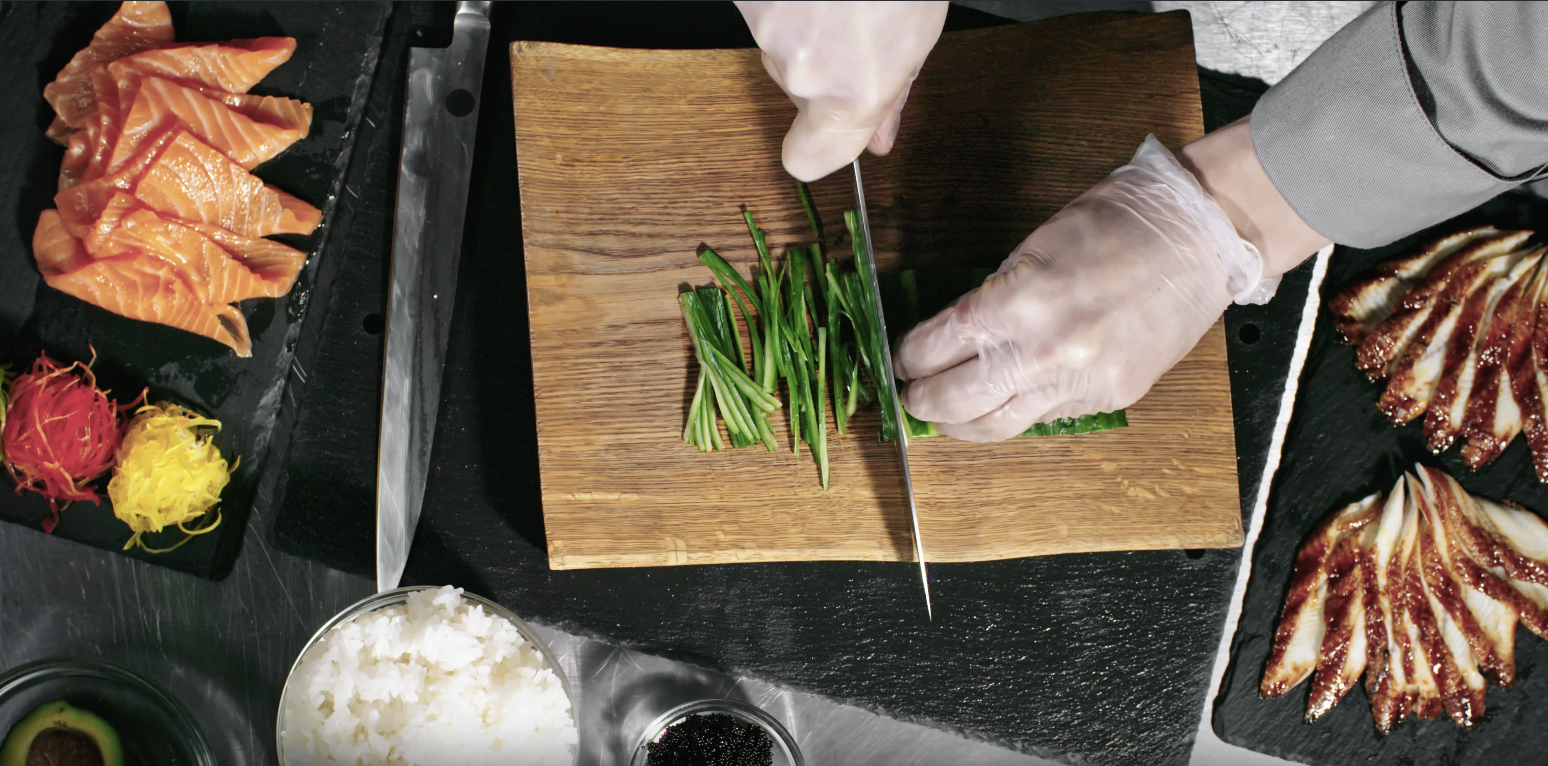 Comfort and control matter more than choosing the knife with the longest feature list.
Both knives need careful sharpening, but the original geometry should be respected. Many santoku knives are thinner than heavy Western chef knives and may use a finer edge. That can improve cutting feel, but it also means the knife should not be treated like a cleaver.
For either knife, avoid glass or stone boards, hand wash and dry immediately, and store the edge so it does not hit other utensils. A sharp knife is easier to control because it needs less force to cut.
Choose a chef knife if you want maximum range and regularly handle larger ingredients. Choose a santoku if you want compact control and mostly prepare vegetables, boneless proteins, and everyday meals.
If possible, hold both before buying. The best knife is not just the one with the better specification. It is the one that feels natural enough that you will use it confidently and maintain it properly.
For a broader buying guide, read 5 Must-Have Knives for Every Home Cook.
P.s. If your chef knife or santoku has lost its bite, our professional knife sharpening service can restore a clean, durable edge.
We are currently only operating in Singapore. Our next pick up will be on 2026-10-10.