2026-05-15
Ceramic knives are often sold with a promise that sounds almost magical: they stay sharp for a very long time. There is truth in that. Ceramic blades are extremely hard and can hold a fine edge through many ordinary kitchen tasks.
But they are not maintenance-free. They can dull, chip, and break. And when they do, sharpening them is very different from sharpening steel.
Most ceramic kitchen knives are made from zirconium dioxide, often called zirconia. The material is much harder than typical knife steel. That hardness gives ceramic knives excellent wear resistance, which is why they can keep slicing fruit and vegetables long after a cheap steel knife has gone dull.
Hardness, however, is not the same as toughness. Ceramic is brittle compared with steel. It does not bend or roll in the same forgiving way. Under the wrong force, it chips.
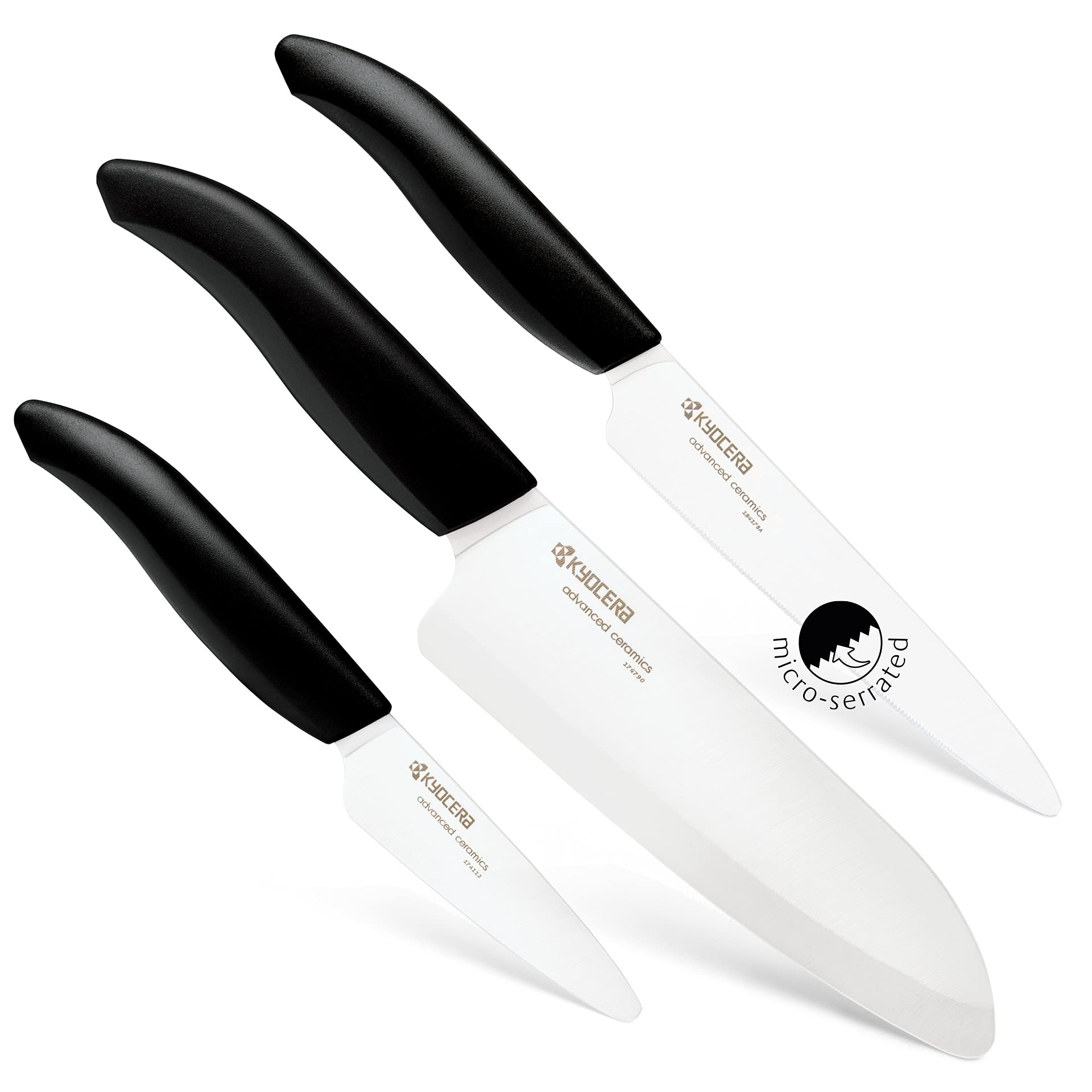 Ceramic knives hold an edge well, but they need different handling from steel knives.
Ceramic knives are excellent for light, clean prep:
They are also lightweight and corrosion-resistant, which makes them appealing in humid kitchens.
Ceramic knives should not be used for twisting, prying, chopping bones, cutting frozen food, crushing garlic, or cutting through hard squash with sideways force. Those tasks can chip or snap the blade.
They also should not be tossed loose into a drawer. Contact with other utensils can damage the edge.
Yes, but not with ordinary sharpening stones or standard honing rods. Ceramic requires diamond abrasives because the blade material is too hard for many common sharpening materials to cut efficiently.
This is why ceramic knife sharpening is often best left to a specialist. The edge is brittle, the abrasive choice matters, and removing chips can require careful work.
Steel knives can sometimes be honed because their edges may roll or bend slightly. Honing realigns that deformed edge. Ceramic does not roll in the same way. When it loses performance, it is usually worn or chipped rather than bent.
That means a honing steel is not the right tool. It can damage the ceramic edge rather than restore it.
Ceramic knives do not always become dull gradually in the same way softer steel knives do. Look for these signs:
Small chips are common. Large chips are more serious because ceramic repair requires removing enough material to create a new continuous edge.
Ceramic knives make sense as a secondary knife, not usually as your only main knife. They are useful for quick fruit and vegetable prep, especially when you want something light and low-maintenance.
For all-purpose cooking, a steel chef knife or santoku is still more versatile. Steel can tolerate more abuse, can be honed, and is easier to repair.
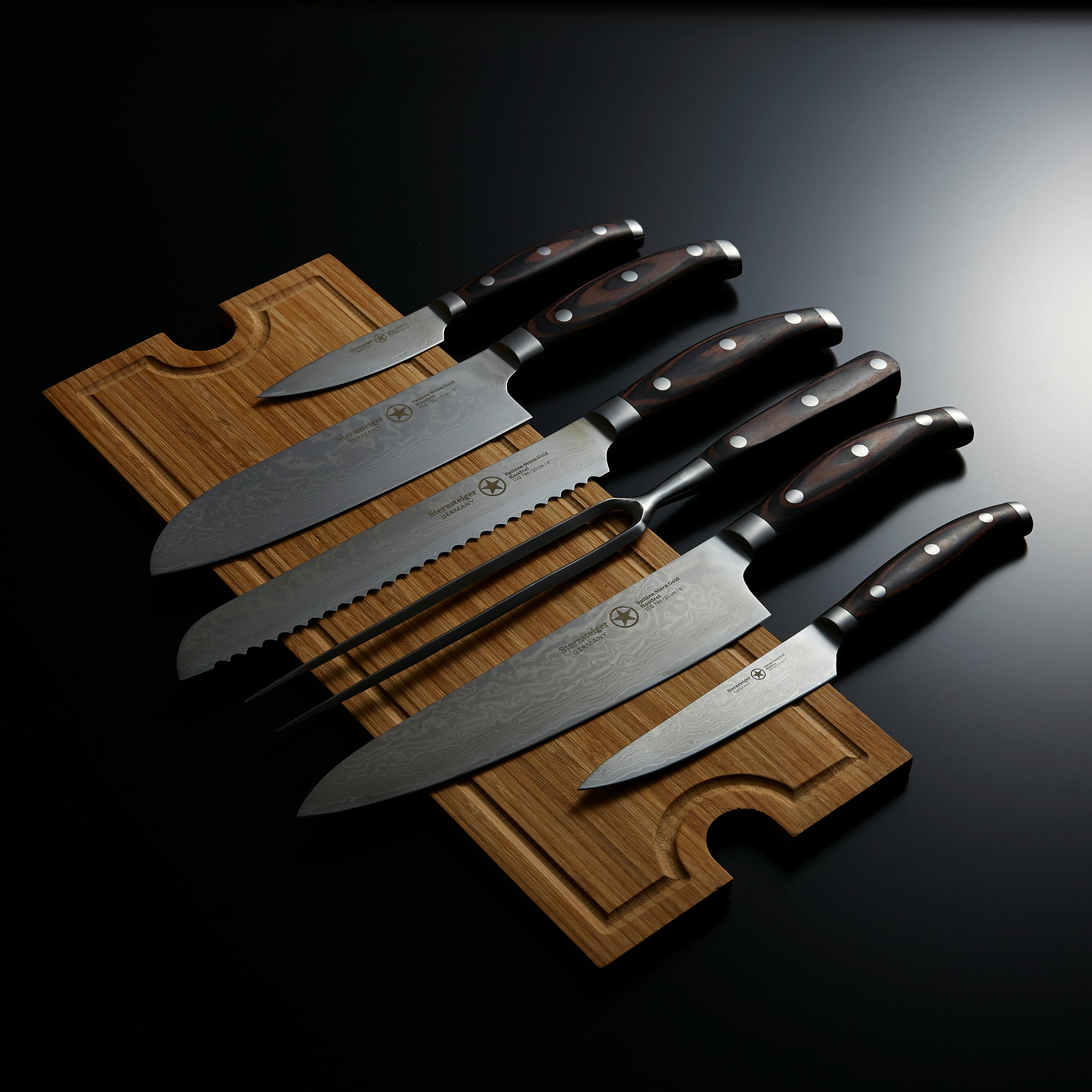 Ceramic knives are useful specialists, but steel remains more versatile for most kitchens.
Ceramic knives can be sharpened, but they need diamond abrasives and careful handling. They are excellent for light prep, but they are not replacements for a durable steel workhorse.
If you own one, treat it as a precise slicer rather than a general-purpose tool. Used that way, it can stay useful for a long time.
For a comparison with other blade materials, read a comparison of the different materials used for knives.
P.s. If your ceramic knife has small chips or has stopped slicing cleanly, our knife sharpening service can help assess whether it is worth sharpening.
We are currently only operating in Singapore. Our next pick up will be on 2026-10-10.