2026-03-20
Choosing a knife sharpening service is partly about convenience, but the more important question is whether the sharpener understands edge geometry, blade steel, food safety, and long-term knife care. A properly sharpened knife should cut cleanly with less force, hold its edge for a reasonable period, and return with the blade's useful life preserved.
In Singapore, the decision also has a practical layer: humid kitchens, compact storage, frequent wet prep, and pickup or delivery logistics can all affect how knives are handled before and after sharpening. Here is what to look for before sending your knives out.
Professional sharpening should begin with inspection. A sharpener should check the knife for chips, bent tips, rust, loose handles, uneven bevels, and excessive thickness behind the edge. These details determine whether the knife needs a simple edge refresh, a repair, thinning, or a more conservative approach.
This matters because not every problem is solved by grinding a new edge. A knife that wedges in carrots may need thinning. A knife with orange rust near the heel may need cleaning and corrosion control. A knife with a chipped edge may require more metal removal than a routine sharpening job.
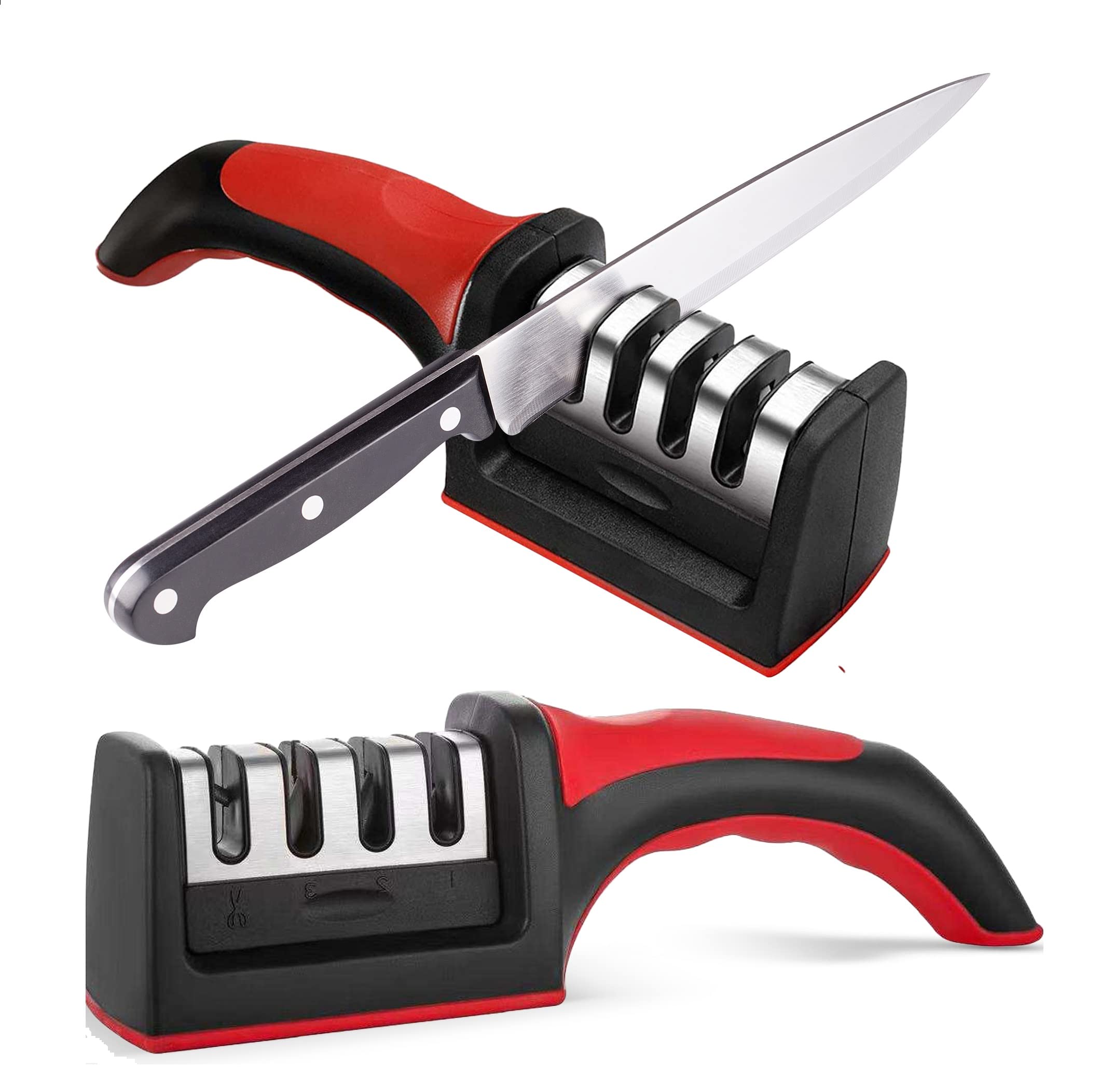 A proper sharpening assessment considers both the edge and the condition of the whole blade.
Sharpening works by removing metal to form a new apex. The skill is in removing only what is necessary. Excessive grinding shortens the life of the knife, while excessive heat can affect the steel's temper and reduce edge retention.
A reliable service should be able to explain, in plain language, how they avoid overheating and over-grinding. This is especially important for thin Japanese knives, high-carbon steel blades, and expensive knives where the original geometry matters.
You do not need a technical lecture. You do need confidence that the sharpener is making decisions based on the knife, not treating every blade the same way.
"Razor sharp" sounds impressive, but it is not always the correct goal. A delicate slicing knife, a santoku, a Western chef knife, and a heavy cleaver should not necessarily receive the same edge angle or finish.
For daily home cooking, the best edge is usually sharp, stable, and appropriate for the food you cut most often. A slightly toothy edge can perform well on tomatoes and fibrous vegetables. A more refined edge may suit fish, cooked proteins, or precise slicing. A cleaver used near bone needs more durability than a thin vegetable knife.
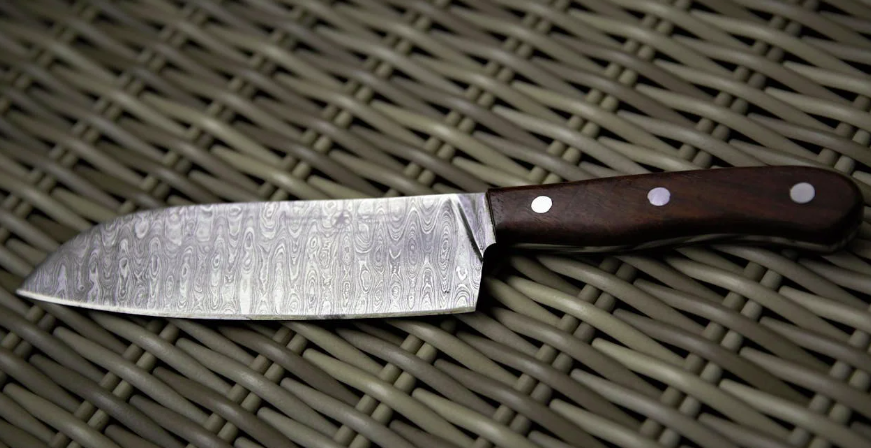 The right edge should suit the knife, the steel, and the work it is expected to do.
If the service offers pickup and delivery, handling standards matter. Knives should never travel loose in a bag. They should be individually protected so the edge cannot cut through packaging or damage other blades.
FoodSafety.gov recommends washing cutting boards, utensils, and surfaces after contact with raw meat, poultry, seafood, or eggs, and using separate boards for ready-to-eat food and raw proteins. That same hygiene mindset should apply to sharpening logistics: knives should be clean and dry before pickup, clearly packed, and returned in a way that protects the edge.
A low per-knife price can be fair for routine sharpening, but it may not reflect repair work. Chip removal, tip repair, rust treatment, thinning, and serration sharpening take more time and skill.
When comparing services, ask what is included. A transparent service will distinguish between standard sharpening and restoration work instead of surprising you after collection.
The most useful reviews mention what happened after the knife came back. Look for details such as clean tomato slicing, better control, repaired chips, smooth pickup, clear communication, and edges that lasted.
Reviews from restaurants, home cooks, salons, pet groomers, or other commercial users can also be helpful because they show whether the service handles different tools and volumes consistently.
After sharpening, the edge should feel consistent from heel to tip. Try a few low-risk tests:
If the knife feels sharp at one section but dull at another, the edge may be uneven. If it cuts paper but wedges badly in dense vegetables, the blade may be too thick behind the edge and may need thinning rather than another basic sharpening.
Once the knife is sharpened, maintenance becomes your job. Hand wash and dry it immediately, avoid dishwashers, use wood or quality plastic cutting boards, and store the blade so it does not knock into other utensils.
FoodSafety.gov also recommends replacing worn cutting boards, especially when they can no longer be cleaned effectively. Deep grooves can trap food residue and moisture, which is bad for hygiene and rough on knife edges.
A good sharpening service should be able to explain what your knife needs, sharpen it appropriately, and return it safely. The best result is not just a knife that feels sharp on day one. It is a knife that cuts well, remains durable, and has not lost unnecessary steel in the process.
For a closer look at the customer experience, read what to expect from a professional knife sharpening service.
P.s. If you are in Singapore and want convenient sharpening with pickup and delivery, feel free to visit our knife sharpening service. We sharpen kitchen knives, inspect common edge issues, and help restore clean cutting performance.
We are currently only operating in Singapore. Our next pick up will be on 2026-10-10.