2026-04-03
If you want to understand why one sharpened knife feels crisp for months while another feels tired after a weekend of cooking, learn about the burr. It is a small detail, almost invisible to the eye, but it tells you a great deal about the quality of a sharpening job.
A burr is a thin wire of metal that forms along the edge as steel is abraded from one side of the blade. In simple terms, it is proof that the sharpening work has reached the very edge. But it is also a liability. If the burr is left hanging on the edge, the knife can feel sharp at first and then collapse quickly in normal use.
When a dull knife is sharpened on a stone, belt, wheel, or other abrasive, the goal is to bring two planes of steel together into a clean apex. As one side is worked, metal is pushed over to the opposite side. That folded metal is the burr.
For a sharpener, burr formation is a checkpoint. It suggests that the abrasive has reached the edge rather than merely polishing the shoulder above it. But forming a burr is not the finish line. It is the middle of the process.
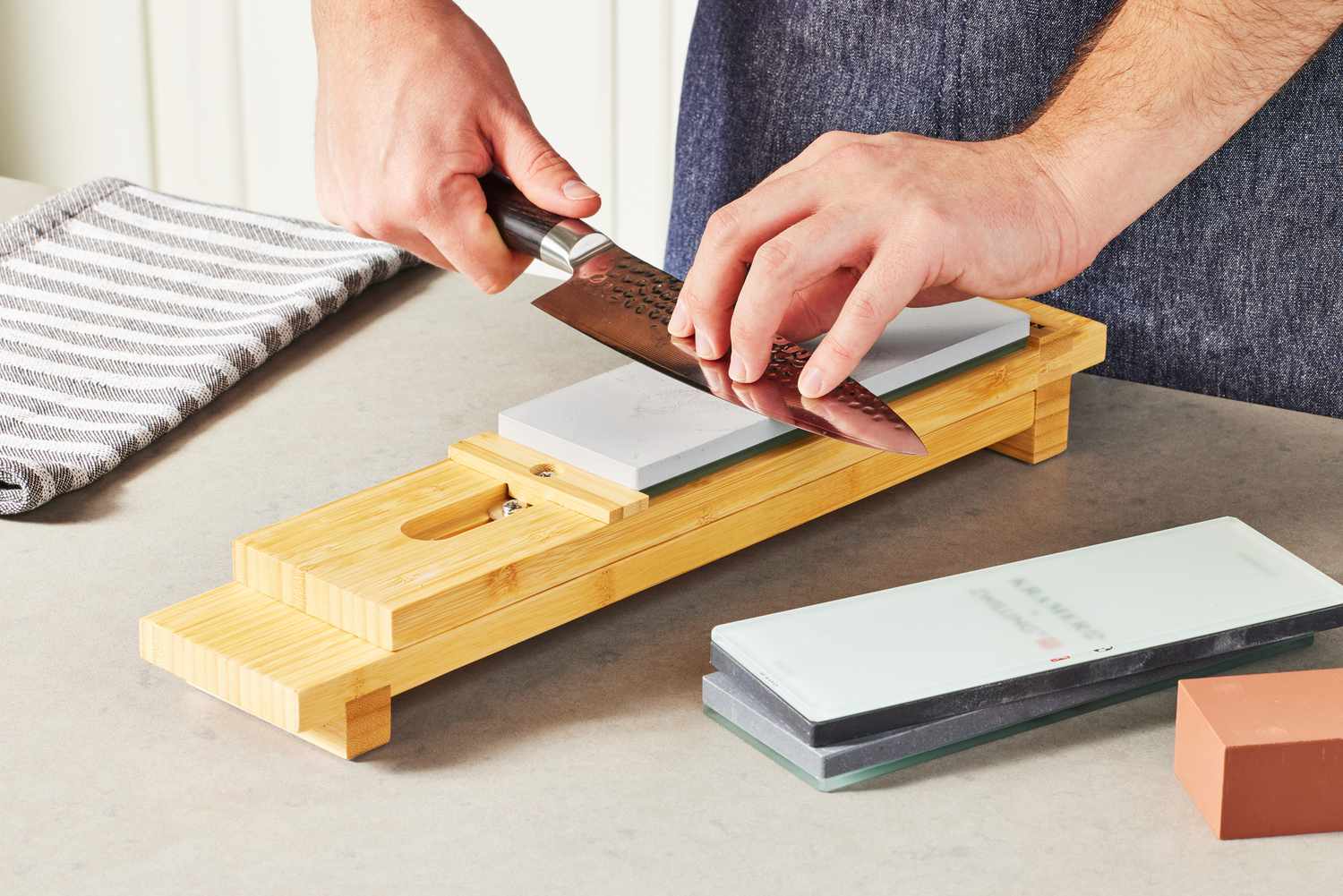 Sharpening is not just about making a burr. It is about removing it cleanly.
A burr can make a knife seem sharper than it really is. Because the wire of metal is thin and grabby, it may bite into paper, catch on a fingernail, or slice a tomato for a few cuts. Then, as the knife meets the board and food, that weak metal folds over or breaks away.
This is why some knives feel impressive immediately after a quick sharpening but lose their bite almost immediately. The edge was never truly finished. It was only carrying a fragile burr.
Good sharpening creates the burr deliberately, then removes it deliberately.
A clean edge is stable. The apex is formed by solid steel from both sides of the bevel meeting evenly. A wire edge is unstable. It is a thin flap of fatigued metal attached to the edge.
You can sometimes detect a wire edge by cutting paper slowly from heel to tip. The knife may cut well in one direction but drag or feel inconsistent in the other. It may also feel sharp when lightly tested but fail on food that needs a clean start, such as tomato skin or onion skin.
Pull-through sharpeners can be convenient, but many remove steel aggressively and leave a rough, fatigued edge. The carbide-style models, in particular, may scrape rather than refine the bevel. They can create a toothy edge quickly, but they often do not deburr well.
That does not mean every pull-through sharpener is useless. It means the result is usually less controlled than a stone or professional sharpening process. For inexpensive utility knives, that may be acceptable. For thinner Japanese knives or better chef knives, it can be a costly habit.
Deburring can involve lighter passes on the abrasive, alternating strokes, finer stones, stropping, felt, cork, leather, compound, or other finishing methods. The exact method matters less than the principle: the burr must be weakened, reduced, and removed without rounding over the edge.
Too much pressure late in sharpening can create another burr. Too much stropping at the wrong angle can polish the edge but soften the bite. Good deburring is a balance of pressure, angle, and restraint.
None of these signs proves the problem by itself, but together they suggest the edge was not fully finished.
Sometimes, yes. If the knife is mostly sharp but feels a little ragged, a few very light alternating strokes on a fine stone can help. A leather strop can also refine the edge if used carefully.
The key word is light. Heavy pressure often makes the problem worse. If the edge has been badly overworked, chipped, or thickened, deburring alone will not fix it.
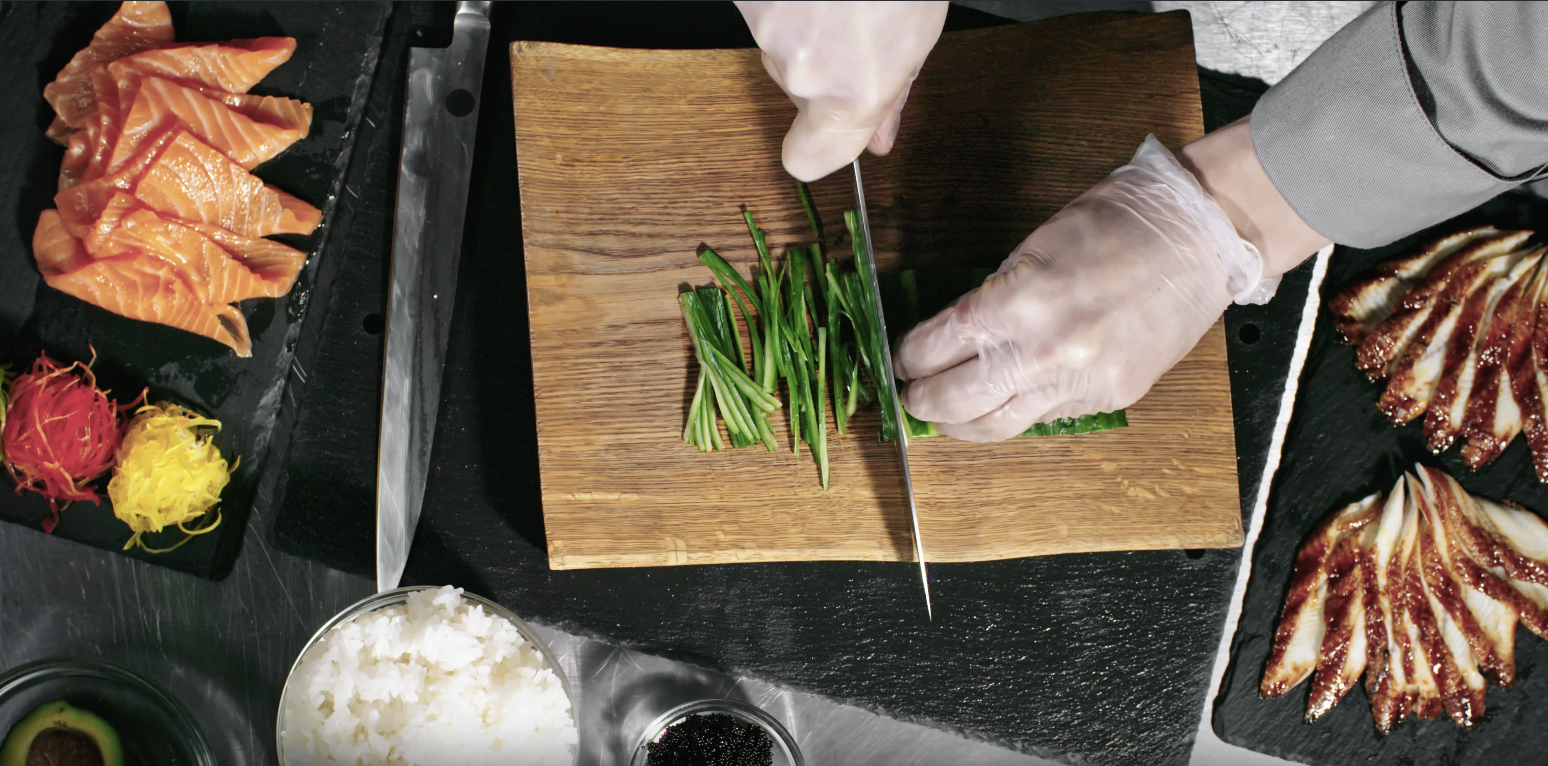 A well-finished edge should feel clean, controlled, and consistent from heel to tip.
A properly deburred knife requires less force. It starts cuts more predictably, especially on slippery skins and dense vegetables. It also tends to hold its edge better because the apex is made of solid, supported steel rather than a weak wire.
This is one reason professional sharpening can feel different from a quick at-home touch-up. The improvement is not only sharpness. It is edge stability.
The burr is small, but it is one of the best clues to sharpening quality. A sharpener who understands burr formation and removal can produce an edge that feels crisp, cuts cleanly, and lasts longer in real kitchen use.
If your knife feels sharp for a day and dull a week later, the issue may not be the steel. It may be the finish.
For related troubleshooting, read why your knife feels sharp but doesn't cut well.
P.s. If your knife loses its bite too quickly after sharpening, our knife sharpening service can inspect the edge and restore a cleaner, more durable finish.
We are currently only operating in Singapore. Our next pick up will be on .